When might treatment be needed?
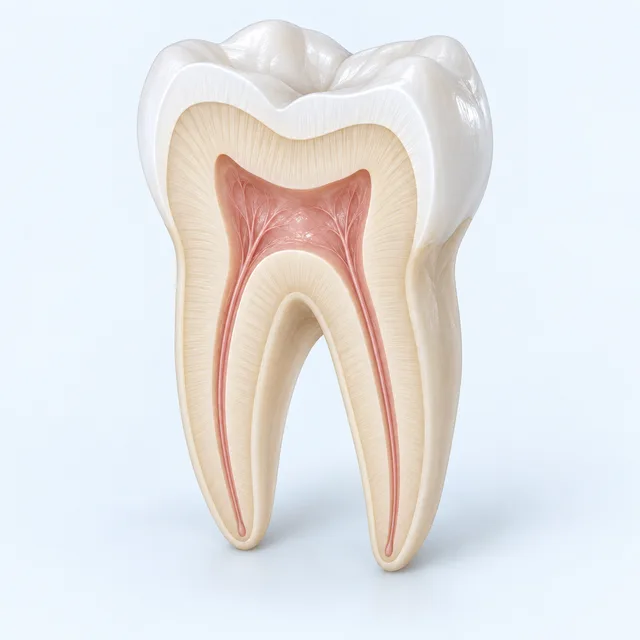
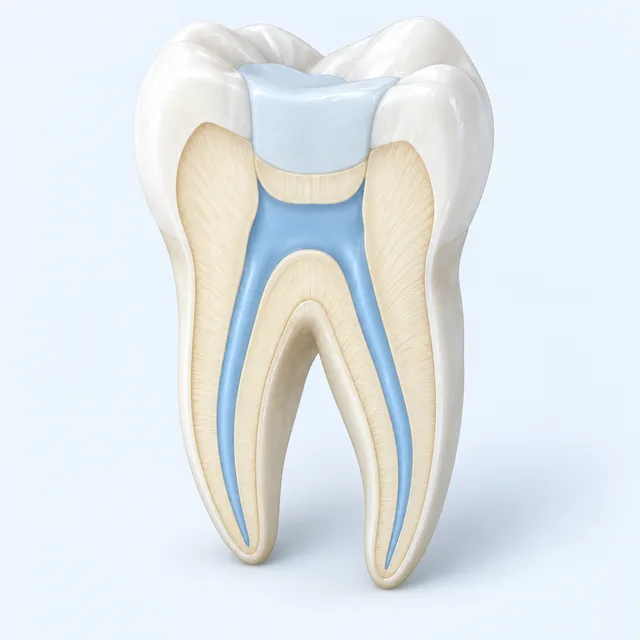
Endodontics focuses on the soft tissue inside a tooth and the tissues around its roots. Deep decay, cracks or injury can inflame or infect the pulp, which contains nerves and blood vessels. Root canal treatment aims to remove the affected tissue and retain the natural tooth. Lingering temperature sensitivity, pain when biting or swelling may warrant an examination; symptoms alone cannot establish the diagnosis. American Association of Endodontists ↗
Caring for the treated tooth
Some tenderness can follow treatment. Attend the planned restoration and review appointments, keep up daily oral hygiene and follow the clinician's recovery advice. Avoid eating until numbness has worn off. A treated tooth still needs regular dental care; treatment is not a guarantee against future problems. NHS recovery advice ↗, AAE ↗
This information does not replace an examination and an individual treatment plan.
Common questions
Will I need a restoration after root canal treatment?
An appropriate permanent filling or crown is needed to protect the tooth. Your dentist will explain the options.
How many appointments will I need?
Timing and the number of visits depend on your assessment. You can share preferred days in your request.
Root canal or extraction?
The remaining tooth structure, root condition and ability to restore the tooth are assessed. Root canal treatment may preserve a restorable tooth; extraction and replacement options are discussed when it cannot be restored.
Can a previously treated tooth be treated again?
Retreatment is possible in some teeth. The cause of the problem and the existing filling or crown are assessed first. Non-surgical retreatment and root-end surgery are different options, and suitability varies.
Does relief from pain mean treatment is finished?
No. Symptom relief does not mean the canal filling and final restoration are complete. Attend the permanent restoration appointment if you have a temporary filling, and keep the recommended reviews.