Mozaikdent Dental Clinic
TRCall for an appointment ↗
Mozaik Çarşı · Ataşehir 0216 455 33 55
← All treatments

Restorative Dentistry

Fillings & Restorative Dentistry

When decay, a fracture or wear damages a tooth, we aim to preserve sound tissue while supporting its function and appearance. We help you compare fillings and other restorations according to what your tooth needs.

Ask about this treatment

When might treatment be needed?

Restorative dentistry treats teeth affected by decay or damage. The aim is to restore their shape and function while preserving as much healthy tooth structure as possible. Treatment may range from a filling to a crown when a tooth needs more extensive support. ADA crowns ↗, ADA tooth-coloured fillings ↗

ILLUSTRATED TREATMENT GUIDE

See how the treatment works

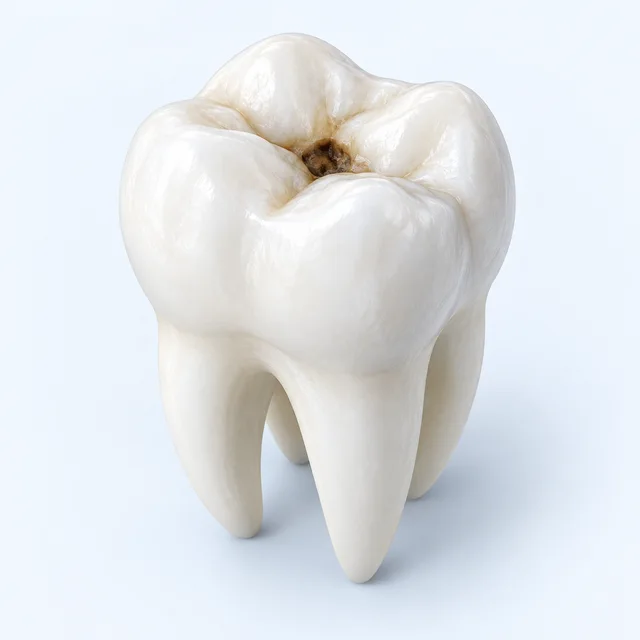
Area affected by decay — illustrative 3D rendering

Area affected by decay

The depth of decay and the remaining sound tooth structure are assessed.

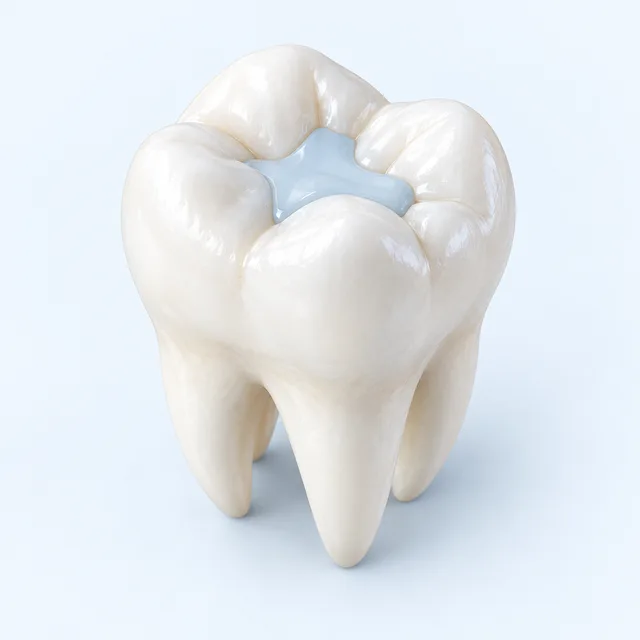
Restoring with a filling — illustrative 3D rendering

Restoring with a filling

The prepared cavity is restored with filling material; its shape and bite are checked.

These AI-generated illustrations simplify the concept; they do not show true scale, your individual anatomy or a predicted result.

The main steps, from assessment to follow-up
  1. Assess the damage

    Decay, cracks and remaining sound tooth structure are examined.

  2. Choosing a restoration

    A filling or a more extensive restoration is planned.

  3. Checking the bite and ongoing care

    The bite is checked; cleaning and dental reviews continue.

A simplified guide. The sequence and timing depend on individual findings.

TREATMENT OPTIONS

Explore your treatment options

Explore the main approaches below. At your assessment, we clarify which options suit you and which procedures can be provided at our clinic.

Tooth-coloured composite fillings

Composite can repair small to medium defects in front or back teeth.

The approach

The area is prepared and material placed in a clean, dry field, with shape and bite checked. The choice depends on more than colour: your bite, the size of the damaged area and the remaining tooth structure also matter.

What to keep in mind

Fillings can wear or need replacement. Decay can develop around them, so daily cleaning and regular review remain important after the repair.

Patient information source ↗

Inlays and onlays

Inlays and onlays are restorations made outside the mouth and fixed to a prepared tooth.

The approach

An inlay fills the defect; an onlay can cover weakened chewing cusps. They may be considered when a direct filling is insufficient. Records guide fabrication, followed by a fit check and fixation. Material and design depend on remaining structure.

What to keep in mind

Not every large filling should be replaced this way; clinical need determines suitability.

Patient information source ↗

Composite bonding

Bonding may reshape selected teeth, repair small chips or address limited gaps with tooth-coloured material.

The approach

Material is bonded and shaped to the intended contour. Bite assessment is needed rather than simply filling a visible space.

What to keep in mind

Bonding does not move teeth as orthodontics does, and maintenance or repair may be needed. Discuss the intended appearance, preparation and alternatives instead of assuming one approach suits every tooth.

Patient information source ↗

Veneer options

A veneer covers the front surface of a tooth and may address selected colour, shape or surface concerns.

The approach

Porcelain and composite differ in preparation. Enamel removal may be needed and treatment can be irreversible.

What to keep in mind

Active decay or gum disease should be treated first. Grinding and bite problems affect suitability. Veneers can be damaged or require replacement, so discuss conservative alternatives as well as the desired appearance.

Patient information source ↗

Prevention remains part of treatment

Restorations do not make a tooth immune to decay. Existing fillings can wear or develop problems at their edges, so regular examinations remain important. Brush twice daily with fluoride toothpaste, clean between teeth daily and limit frequent snacking. No filling lasts indefinitely; ongoing care helps identify when repair or replacement is needed. ADA cavities ↗, ADA fillings ↗

This information does not replace an examination and an individual treatment plan.

Common questions

Do I need a filling or crown?

The choice depends on the extent and location of damage and the tooth structure remaining.

How many appointments will I need?

Timing and the number of visits depend on your assessment. You can share preferred days in your request.

Does every area of decay need a filling?

Depth and whether the surface has broken down matter. Early lesions may allow preventive care, while lost tooth structure may need repair. Examination and imaging where indicated inform the decision.

What if a tooth is sensitive after a filling?

Note when sensitivity started and what triggers it. Report persistent, worsening or biting pain to your dentist; the bite or tooth may need reassessment.

Must all old fillings be replaced?

Age alone does not determine replacement. The margins, decay, fractures and tooth condition are checked. Some restorations can be monitored or repaired; others need replacement.