When might treatment be needed?
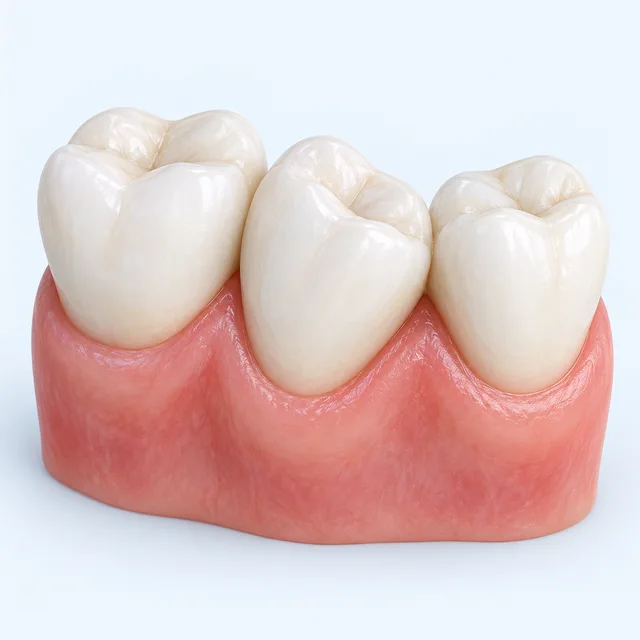
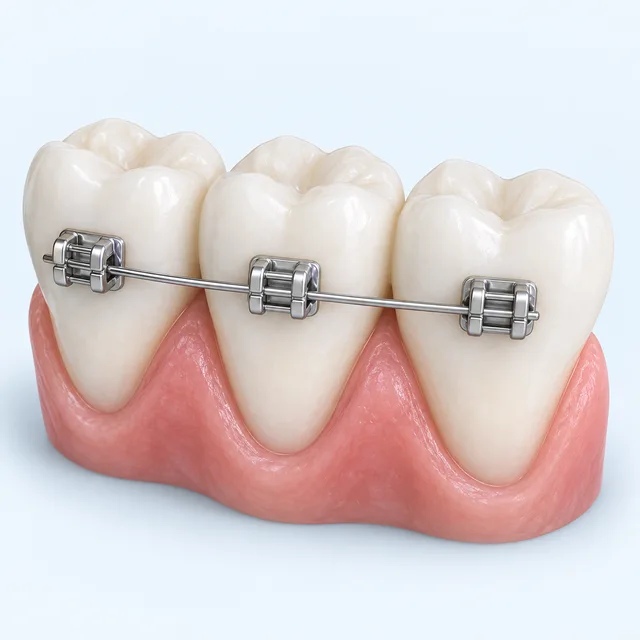
Orthodontics uses controlled forces to move teeth and improve their alignment or the way they meet. Treatment may address crowding, spacing or a bite that makes chewing and cleaning difficult. Both adults and younger patients can be assessed. The appropriate starting point depends on dental development and the problem being treated. NHS braces ↗
Keeping your teeth in their new positions
Careful cleaning around appliances is essential. Continue routine dental check-ups and follow advice about foods that could damage braces. Contact the treating team about broken appliances or persistent pain. After active treatment, retainers help keep teeth in their new position; follow the prescribed wear and maintenance routine. Retention is an ongoing part of orthodontic care. NHS ↗, British Orthodontic Society ↗
This information does not replace an examination and an individual treatment plan.
Common questions
Will I need retainers?
Retainers and the follow-up schedule prescribed by your dentist help maintain the new tooth positions.
How many appointments will I need?
Timing and the number of visits depend on your assessment. You can share preferred days in your request.
Clear aligners or fixed braces?
The choice depends on tooth movement, bite, oral health and your ability to follow the wear instructions, not appearance alone. Different appliances suit different problems.
Can adults have orthodontic treatment?
Yes. Adults can be assessed. Tooth and gum health, restorations and missing teeth affect planning. Decay or gum disease may need treatment before orthodontics begins.
What if an appliance breaks?
Contact the treating team. Do not cut or reshape it yourself. Explain what is broken and whether it is painful or rubbing so the team can advise when you need to be seen.